The Golden Age of Luxury Fades as Consumer Fatigue and Economic Pressures Mount
The high life isn’t what it used to be. After a record-breaking 2023, the luxury world is slowing down fast. This year, sales have slipped. Next year, they are expected to drop another 2% to 5%. That is the biggest fall since the 2008 crash, except for the brief panic during the COVID-19 pandemic.
However, the slowdown isn’t a fluke. It is a sign of something bigger. Consumers are reevaluating their willingness to pay for handbags, watches, and designer sneakers. The global appetite for luxury is shifting, and brands are feeling its impact.
Economic Drama Is Crushing Confidence
The money problem starts at the top. High inflation, currency swings, and shaky global politics are turning spending into stress. The U.S. and China, the two biggest luxury markets, are cooling off fast. Even wealthy shoppers are reining in their spending.
New tariffs from the U.S. on European imports are also messing with the math. Prices are going up, supply chains are getting messy, and brands are scrambling to keep up. No one wants to spend thousands on a bag when the economy feels shaky.
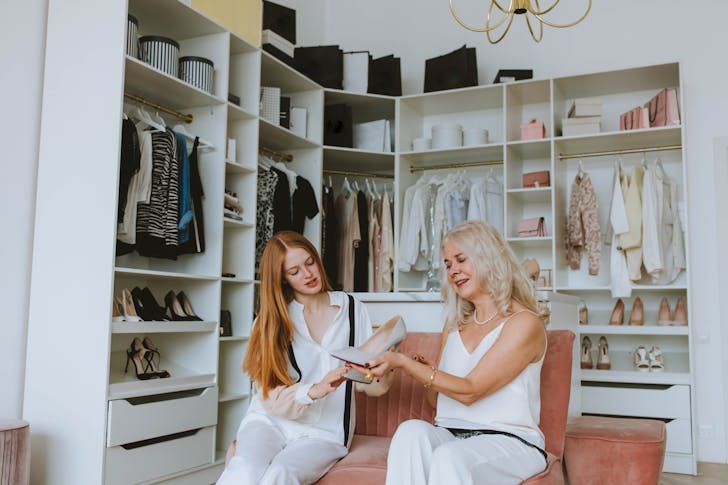
Anas / Pexels / Young buyers, especially Gen Z, just aren’t into the same status symbols. They are burned out from endless price hikes. They want purpose, not just logos.
Luxury is being redefined. It is no longer about what you own but how it fits your life. Gen Z cares about sustainability, values, and being real. If a brand feels fake, it is game over. That shift is cutting deep into traditional luxury sales.
Everything Is Starting to Look the Same
Another big problem is that luxury is getting boring. Too many brands are playing it safe. The styles are blending together, the brand identities feel watered down, and the creativity just isn’t hitting like it used to.
Consumers notice. When every brand looks like a copy of the next, nothing stands out. That opens the door for smaller, bolder labels that know their voice and speak to culture, not just trends. The edge is missing, and it shows.
However, not every brand is losing. The gap between the top players and everyone else is getting wider. The best brands are holding strong, even growing, because they are making smart moves instead of chasing short-term wins.
Real Luxury Feels Real Again
Top brands are giving creativity more space. They are pulling back from gimmicks and focusing on quality. That means clothes you can actually wear, stores that feel like events, and stories that stick.
LVMH is a prime example. Its watches, jewelry, and retail arms are still growing in 2025. Why? They are pushing for products people actually want, not just hyped-up collectibles. That is what luxury needs to be again, desirable and different.
Chris / Unsplash / Smart companies are using recycled materials, making products last longer, and being upfront about how things are made.
Going Green and Exclusivity Are the New Gold
Sustainability isn’t a bonus anymore. It is a dealbreaker. Shoppers want to know where their stuff comes from and how it was made. They care about waste, materials, and whether brands are actually walking the talk.
On top of that, they are using AI and AR to make shopping easier, more personal, and more fun.
Exclusivity doesn’t mean limited runs anymore. It means unique access. Think of secret events, custom services, and products made just for you. That feels more special than a bag you waited six months to buy.
At the same time, brands are looking beyond their usual hotspots. China and the U.S. are slowing down, so they are investing in places like India, Southeast Asia, and the Middle East. The money is still out there, just not where it used to be.